A modern surveillance control room plays an important role in monitoring security, safety and daily operations across different industries. From airports and smart cities to factories and commercial buildings. Organizations depend on well planned monitoring spaces for fast decision making and smooth communication.
Today, a surveillance control room is more than just a room with screens and computers. It is a carefully planned workspace that supports operators during long working hours and helps improve overall operational efficiency. A smart control room design can increase productivity, reduce operator fatigue and create a better monitoring environment.
In this blog, we will discuss the most important features that every modern surveillance control room should include.
Ergonomic Control Room Furniture
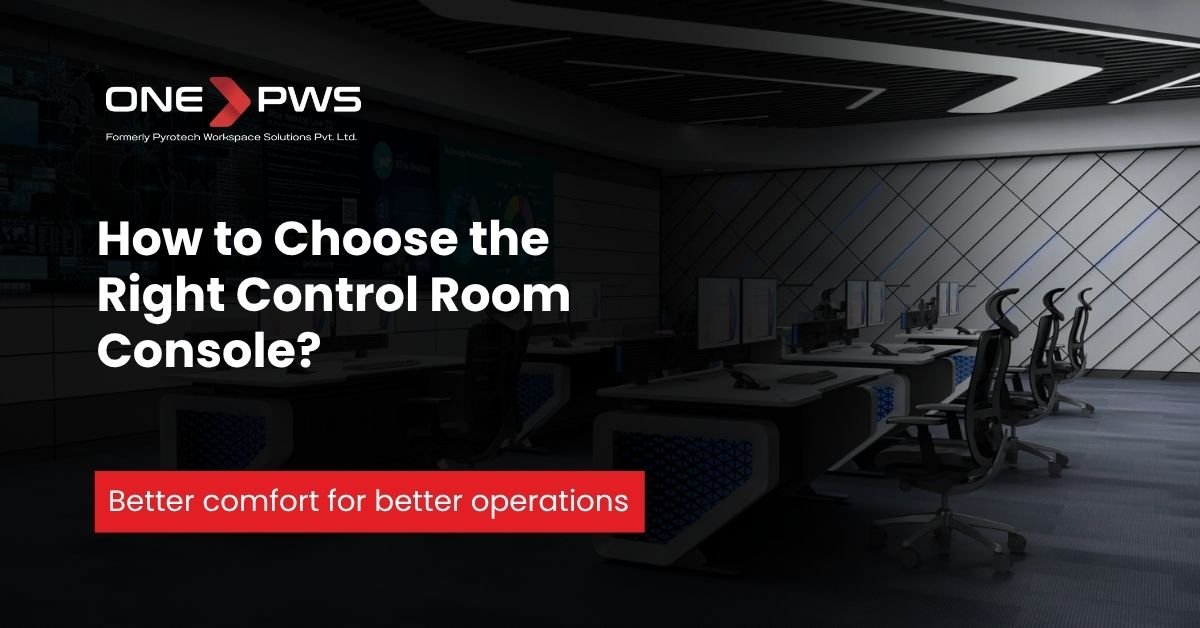
One of the most important parts of a modern surveillance control room is ergonomic furniture. Operators usually work for long shifts while continuously monitoring screens and handling critical information. Poor seating arrangements or uncomfortable desks can reduce efficiency and cause physical strain.
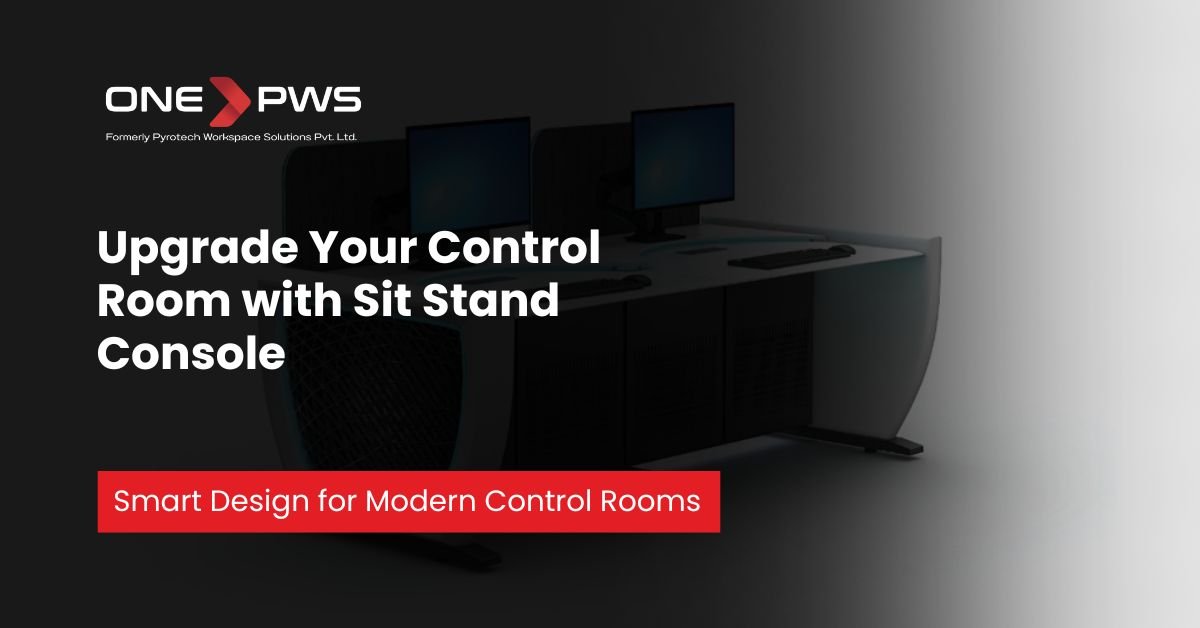
Modern consoles and workstations are designed to provide comfort and flexibility. Adjustable monitor mounts, proper desk height, cable management and operator friendly seating improve the overall workspace experience.
An ergonomic control room design helps operators stay focused and alert during 24/7 operations.
Smart Control Room Layout
A proper control room layout is essential for smooth workflow and communication. The layout should allow operators to monitor screens clearly and move easily within the workspace.
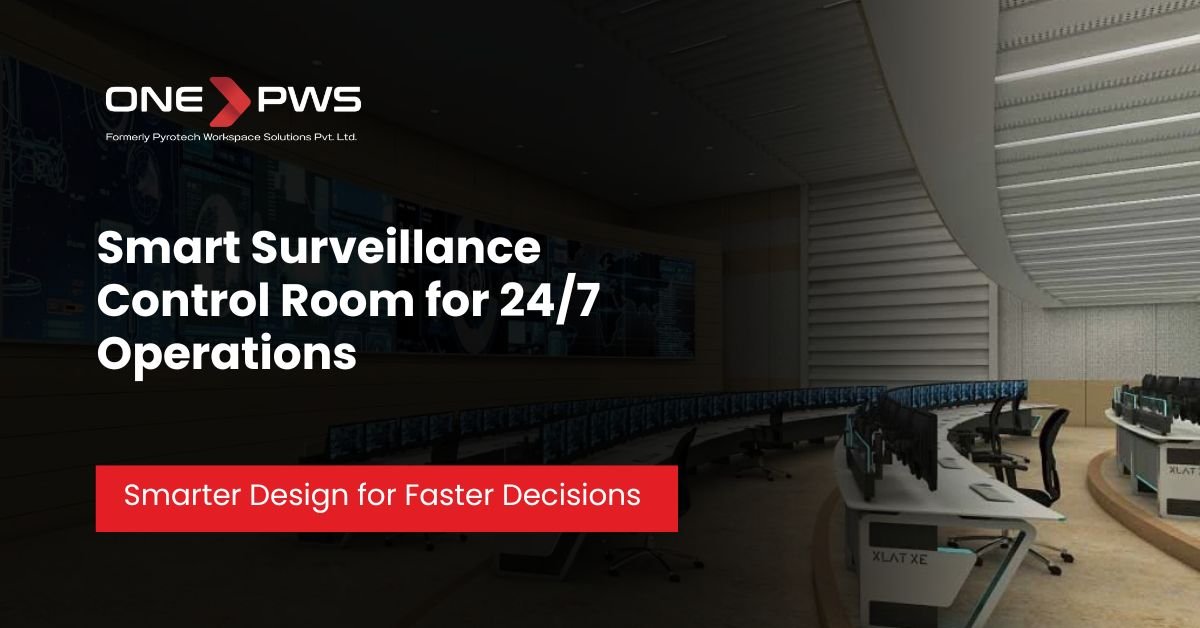
In many modern projects, consoles are arranged in curved or linear formats depending on operational requirements. Team leaders and supervisors are usually positioned in areas with clear visibility of the entire room.
A well planned control room layout also helps reduce distractions and supports faster response during emergencies.
Efficient Control Room Floor Plan
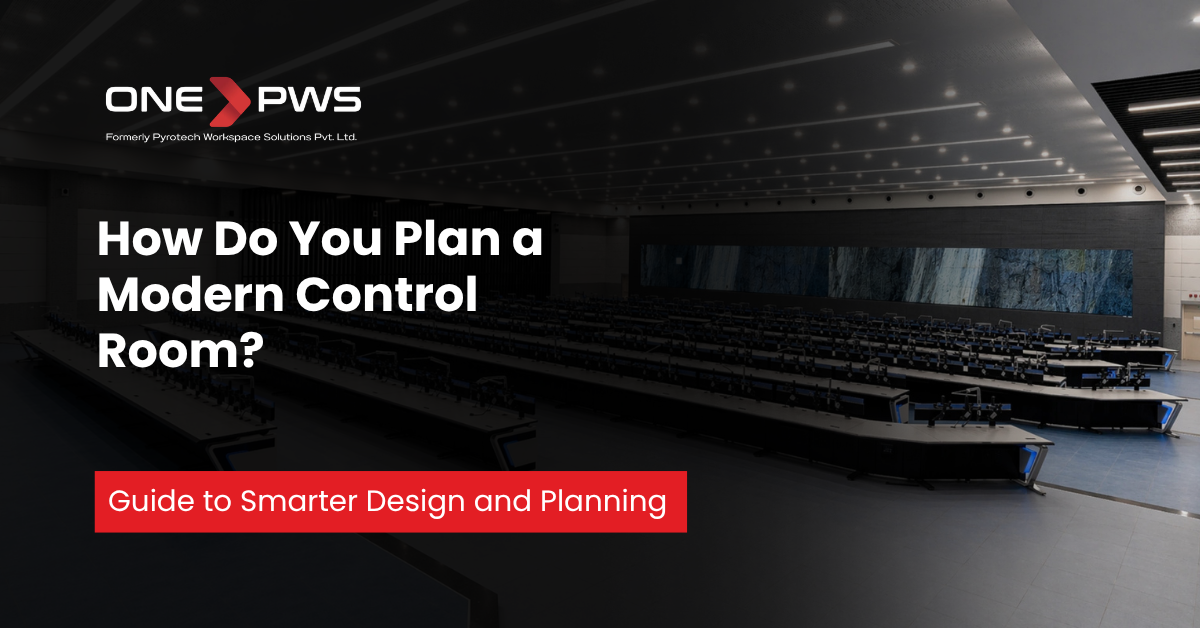
An effective control room floor plan improves space utilization and operator efficiency. The floor plan should include enough space for movement, maintenance access, equipment installation and future expansion.
Modern control rooms often include:
- Operator console areas
- Video wall viewing zones
- Supervisor stations
- Server and technical support rooms
- Meeting or discussion spaces
A carefully designed control room floor plan ensures that all departments work together without overcrowding the environment.
Advanced Display and Monitoring Systems
A modern surveillance control room depends heavily on display systems. Operators need clear visibility of live footage, alerts, reports and operational data.
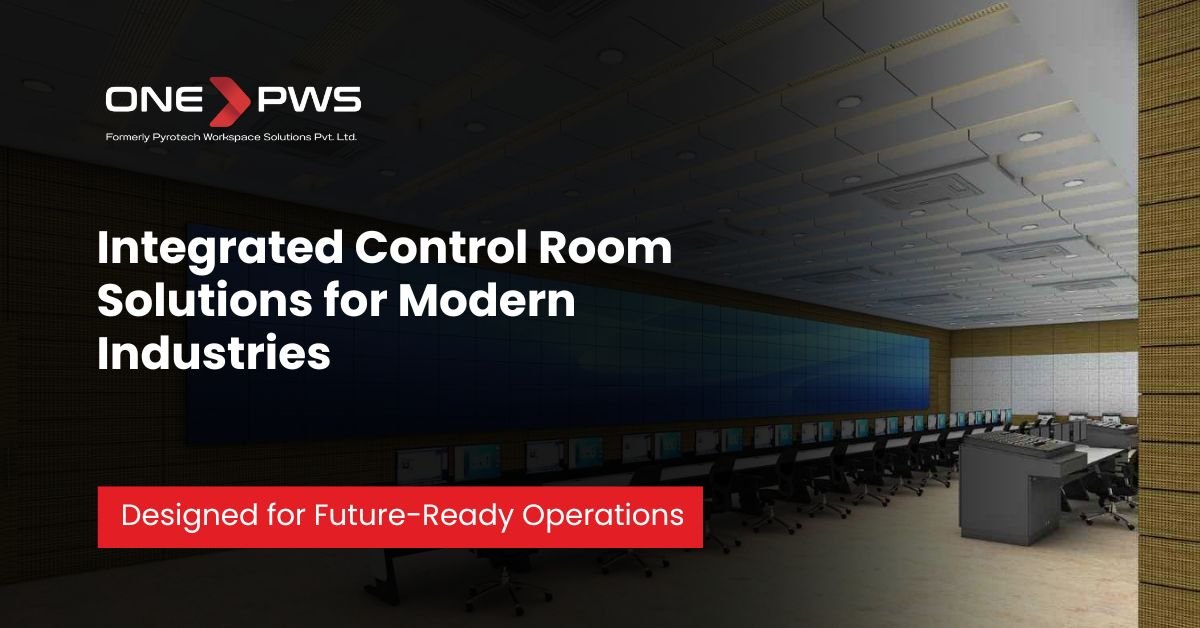
Large video walls are commonly used for centralized monitoring. High resolution displays help operators identify issues quickly and monitor multiple locations at the same time.
The display placement should match the overall control room design so operators can view information comfortably without eye strain.
Lighting System
Lighting is another key feature of a successful surveillance control room setup. Poor lighting can affect operator concentration and create discomfort during long working hours.
Modern control rooms use balanced LED lighting systems that reduce glare on screens and provide comfortable visibility. Adjustable lighting options are also preferred for day and night operations.
Good lighting improves the overall atmosphere of the surveillance control room and supports better operator performance.
Noise Control and Acoustic Planning
A busy surveillance control room often includes communication systems, alarms, equipment noise and multiple operators working together. Without proper acoustic planning, noise can become distracting.
Modern control room design includes sound absorbing materials, acoustic panels and proper room partitioning to maintain a quiet focused environment.
Noise management helps operators communicate clearly and work efficiently.
Power and Cable Management
Power management is critical in every surveillance control room. Monitoring operations must continue without interruption especially in critical sectors like transportation, utilities and security.
Modern setups include organized cable routing, raised flooring systems and backup power support for smooth operation. Clean cable management also improves safety and simplifies maintenance work.
A planned control room floor plan supports better cable organization and equipment accessibility.
Focus on Operator Safety and Comfort
Operator well being is a major priority in modern control room design. Comfortable workspaces improve attention, reduce stress and increase productivity.
Features like proper ventilation, adjustable seating, footrests, monitor positioning and temperature control create a better working environment for operators handling critical monitoring tasks.
A well designed surveillance control room supports both operational efficiency and employee comfort.
CONCLUSION
A modern surveillance control room requires much more than screens and equipment. From ergonomic furniture and efficient control room layout planning to advanced monitoring systems and scalable infrastructure, every element plays a role in improving performance.
An effective control room design creates a comfortable, organized and future ready environment for operators. Similarly, a smart control room floor plan ensures smooth workflow, better communication and efficient space utilization.
Organizations investing in modern monitoring environments can improve operational control, enhance security management and support long term business growth.
Frequently Asked Questions (FAQ)
What is a surveillance control room?
A surveillance control room is a centralized monitoring space where operators observe security systems, CCTV feeds, alarms and operational activities in real time.
Why is control room design important?
A proper control room design improves operator comfort increases efficiency, supports faster decision making and creates a better monitoring environment.
What should be included in a control room layout?
A control room layout should include operator consoles, display systems, supervisor areas, equipment access space, and comfortable movement areas.
How does a control room floor plan improve operations?
A planned control room floor plan helps organize equipment, improves workflow, supports maintenance access and allows future expansion.
Which industries use surveillance control rooms?
Industries such as transportation, airports, utilities, manufacturing, smart cities, oil & gas and commercial facilities commonly use surveillance control rooms.