Useful Links
Resources
Expertise
Contact Us
Sign up for the newsletter
I’m okay with getting emails and having that activity tracked to improve my experience.
Follow Us

I’m okay with getting emails and having that activity tracked to improve my experience.
Where Vision Meets Reality
An Experience Center bridges that gap — translating strategy, scale, and capability into a physical and digital environment people can experience, not just hear about. This is where understanding becomes belief.
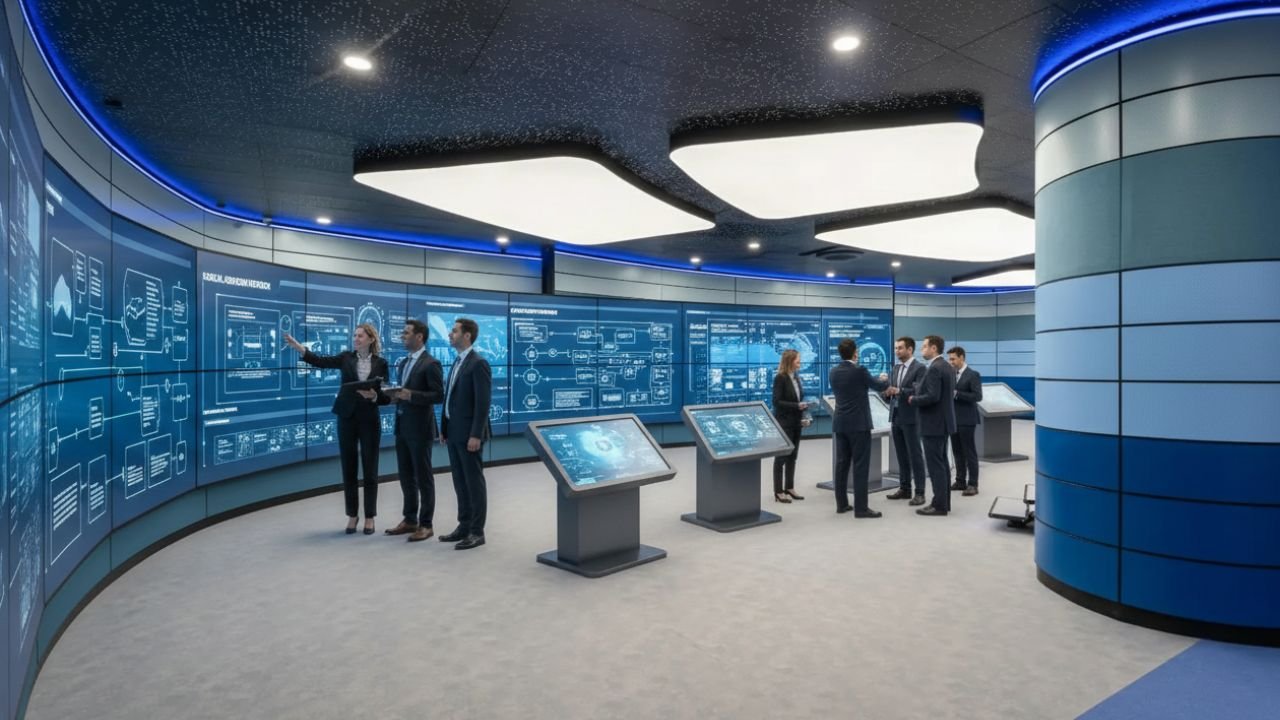
People retain more when they interact. Experience Centers turn passive listening into active understanding.
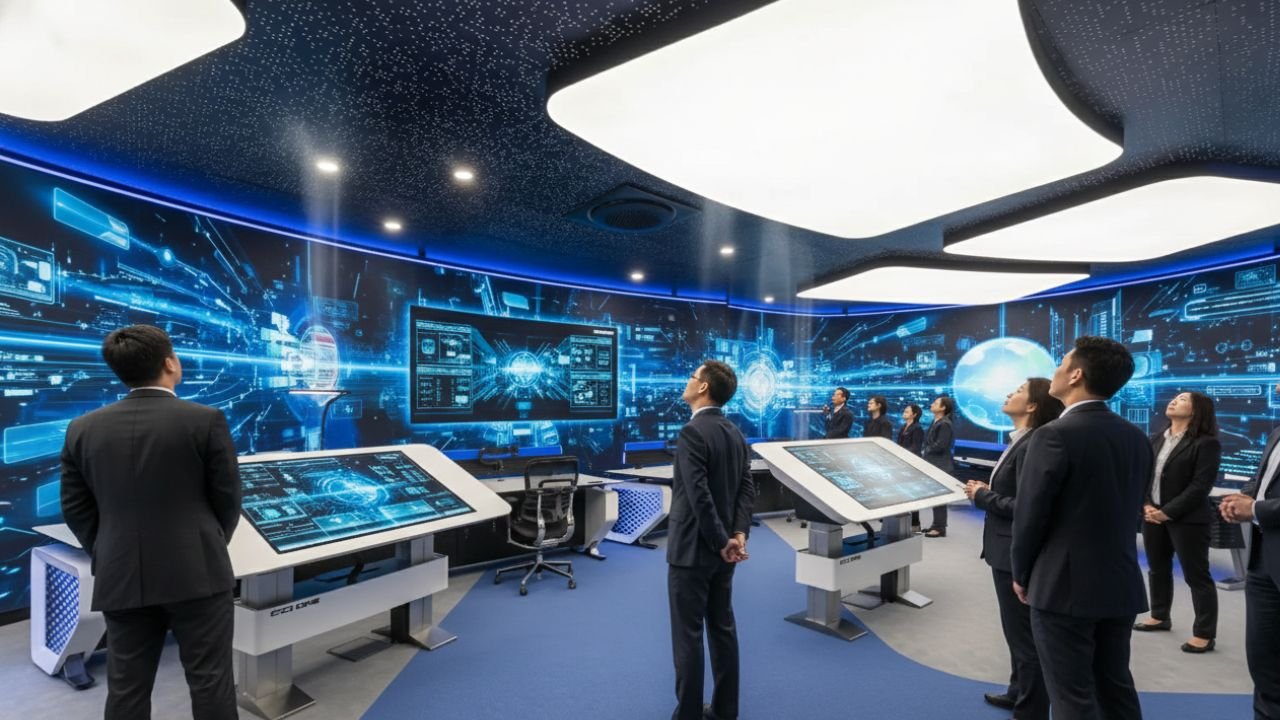
PPTs explain ideas. Experiences make them real — instantly communicating complexity, scale, and intent.
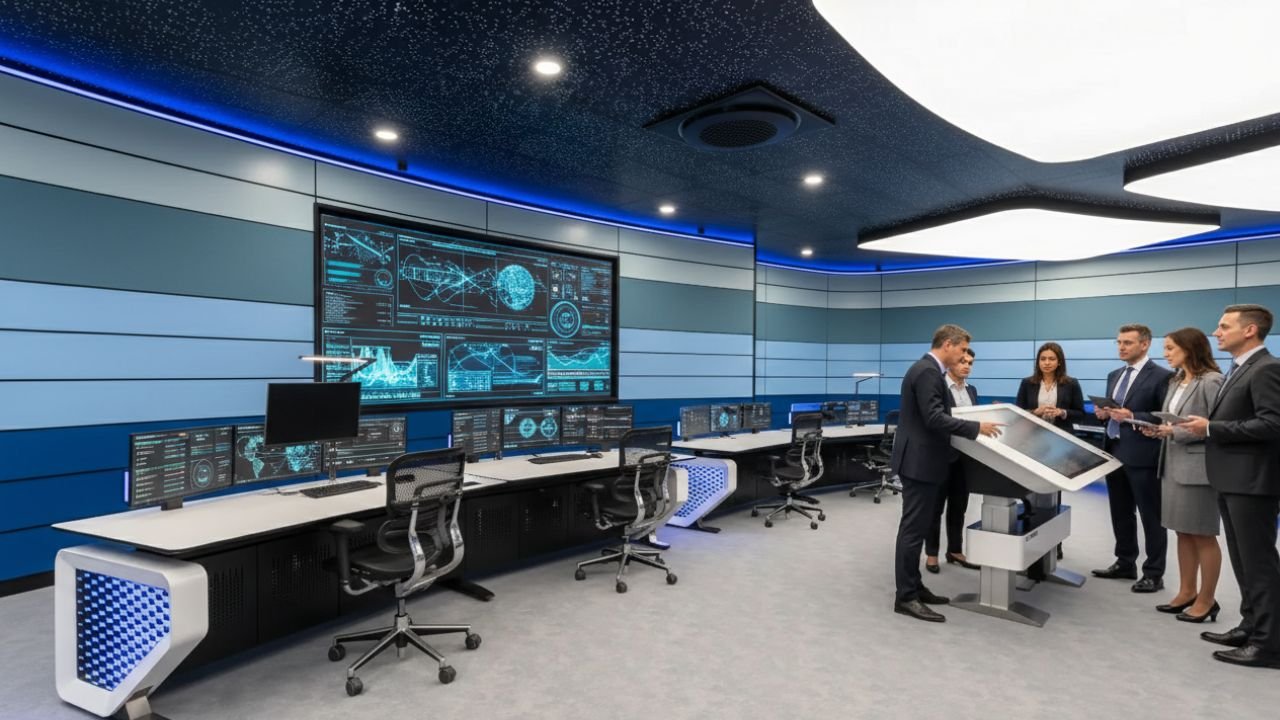
When stakeholders see systems working in real time, confidence follows naturally.
What truly deserves space? How do we showcase legacy without overshadowing the future?
How much innovation is enough? Where does technology enhance the story instead of distracting from it?
How should visitors move? Which moments matter most? How do we maximise impact within constraints?
The result, too often, is an impressive showroom that slowly loses relevance.
“Many Experience Centers look remarkable on day one — and underperform from day ninety.”
An Experience Center should be an asset — not a static installation.
A high-performing Experience Center is not defined by technology or aesthetics alone.
Its success lies in how space, storytelling, interaction, and systems work together to deliver clarity, confidence, and recall.
When even one of these elements is missing, the experience weakens.
When all four are aligned, the Experience Center becomes a strategic asset.
Architecture that does more than look impressive.
It guides visitor movement, controls attention, and creates intentional moments of discovery throughout the journey.
Carefully selected interactive and immersive elements that help visitors understand, not just observe. Each module serves a purpose — to explain, engage, and inspire action.
Stories and visuals designed to speak to different audiences — leadership, clients, partners, and teams — while staying aligned to one clear narrative.
Content evolves as the organisation evolves.
Technology that works quietly in the background.
It supports the experience, ensures reliability, and enables long-term scalability — without ever becoming the focus.
What should be showcased, which achievements deserve focus, and how to balance legacy narratives with future capabilities—these decisions often remain unclear.
Unplanned use of technology risks overwhelming visitors, where innovation distracts rather than strengthens the core message.
Without defined zones and flow, visitor movement becomes fragmented, reducing engagement and diluting impact.
The result is an Experience Center that looks impressive but delivers limited long-term value due to static content and unmanaged systems.
Every effective Experience Center is structured into zones that work together to form a clear visitor journey — guiding attention, building understanding, and reinforcing trust.
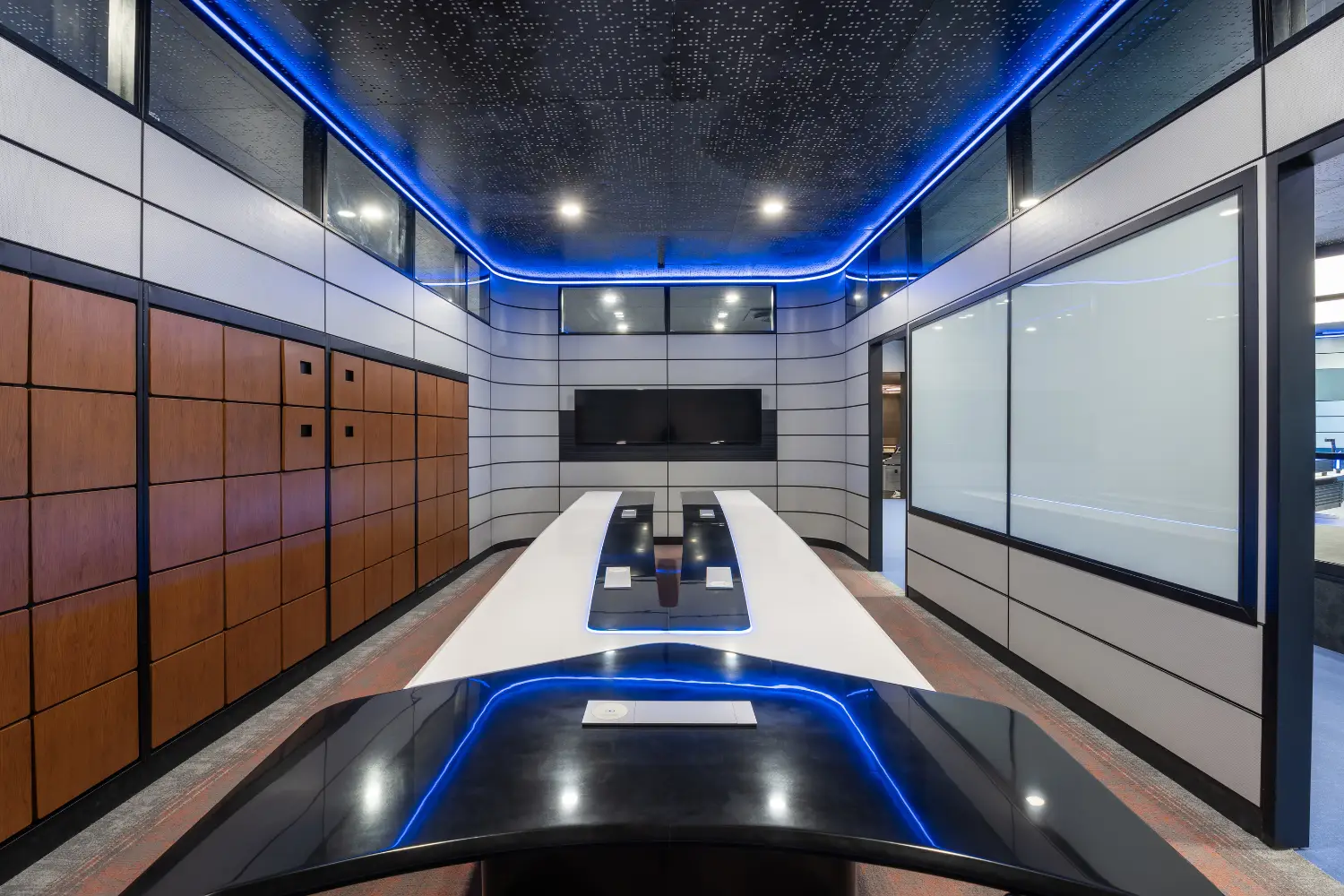
Immersive displays convert complex concepts into clear, impactful understanding within moments of entry.
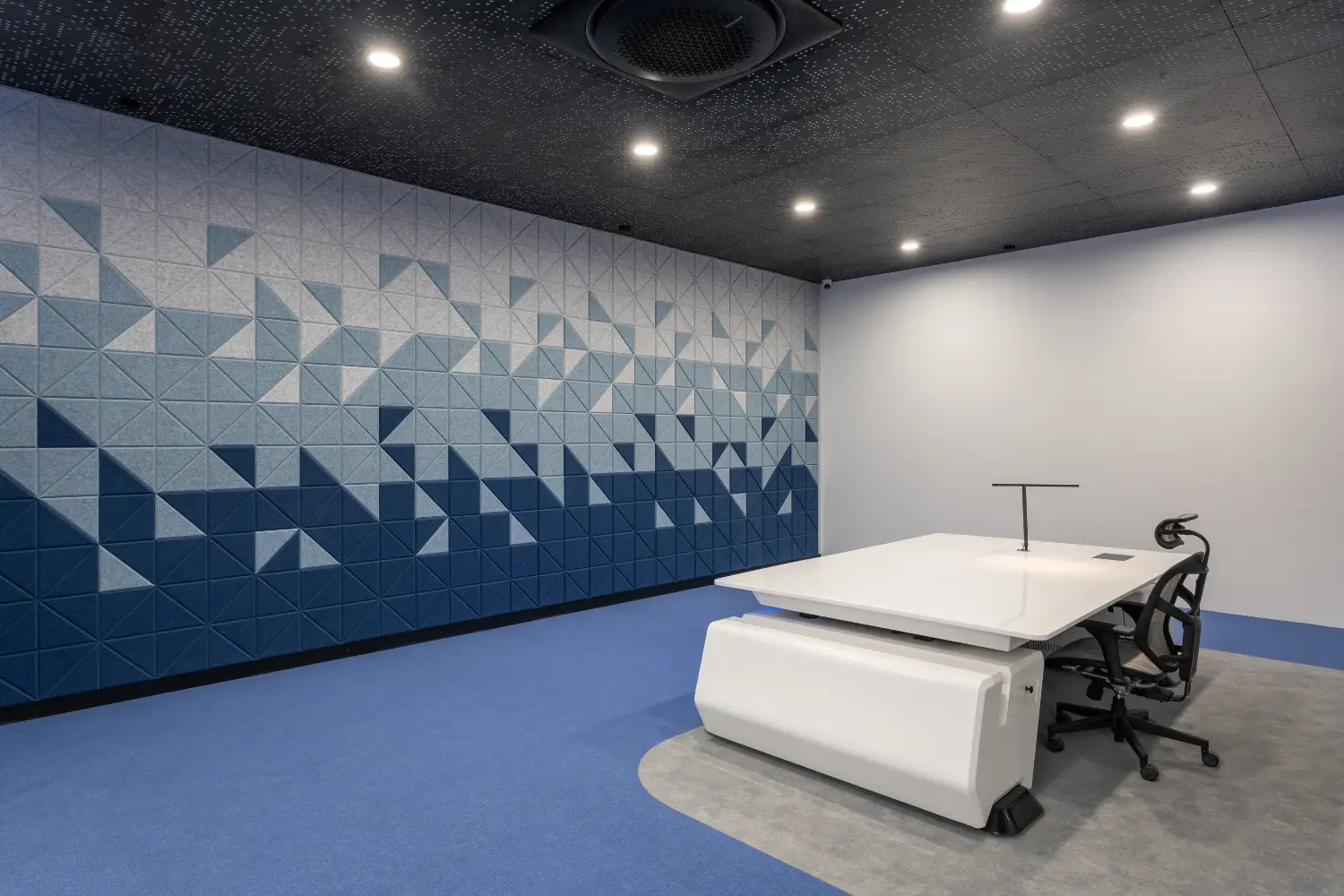
It creates both emotional resonance and intellectual engagement, ensuring visitors connect deeply with your brand narrative.
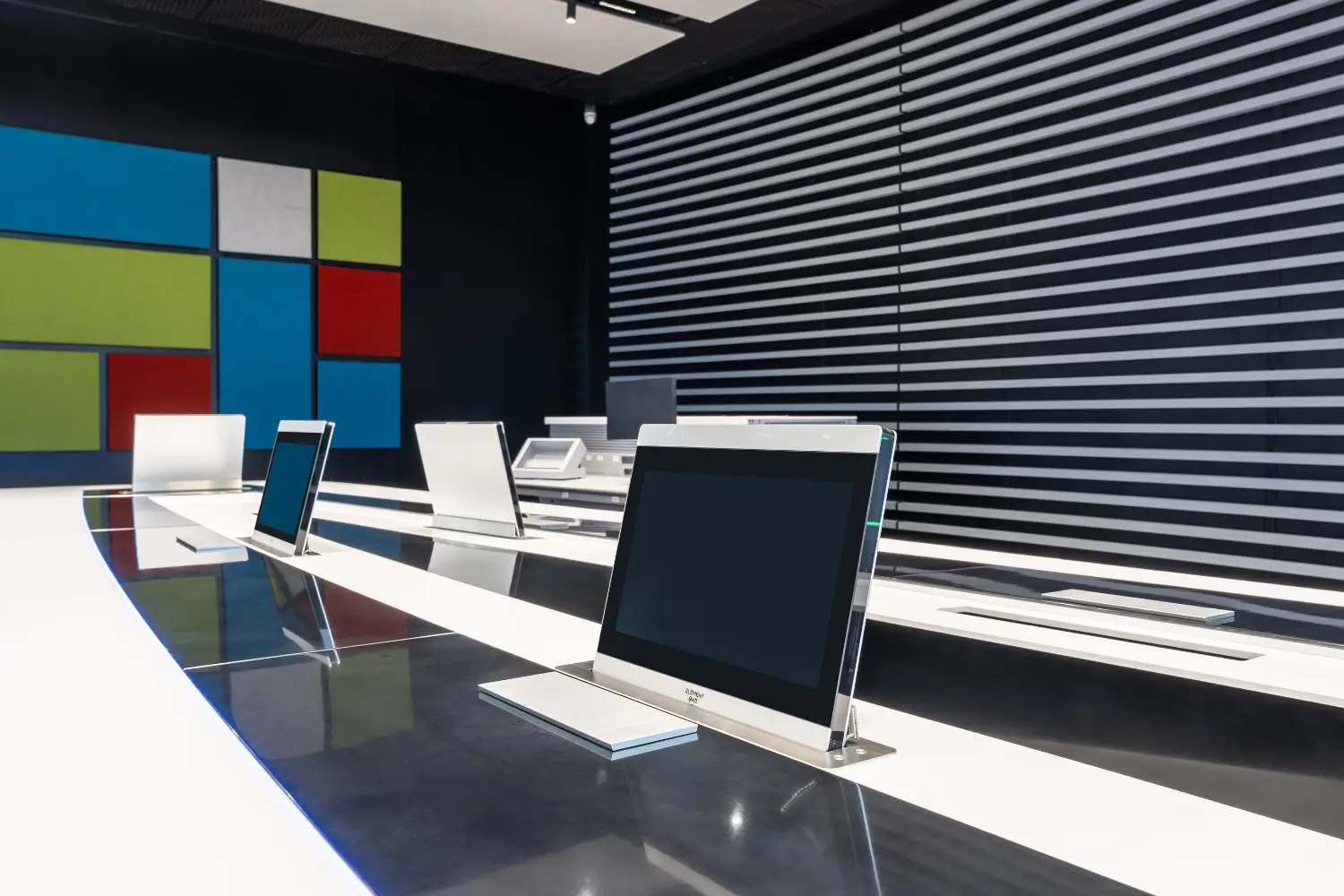
By eliminating distractions, the cave ensures complete focus on your narrative.
Lighting, sound, and visuals fully managed
Visceral experiences that drive impact
Messages remembered long after the visit
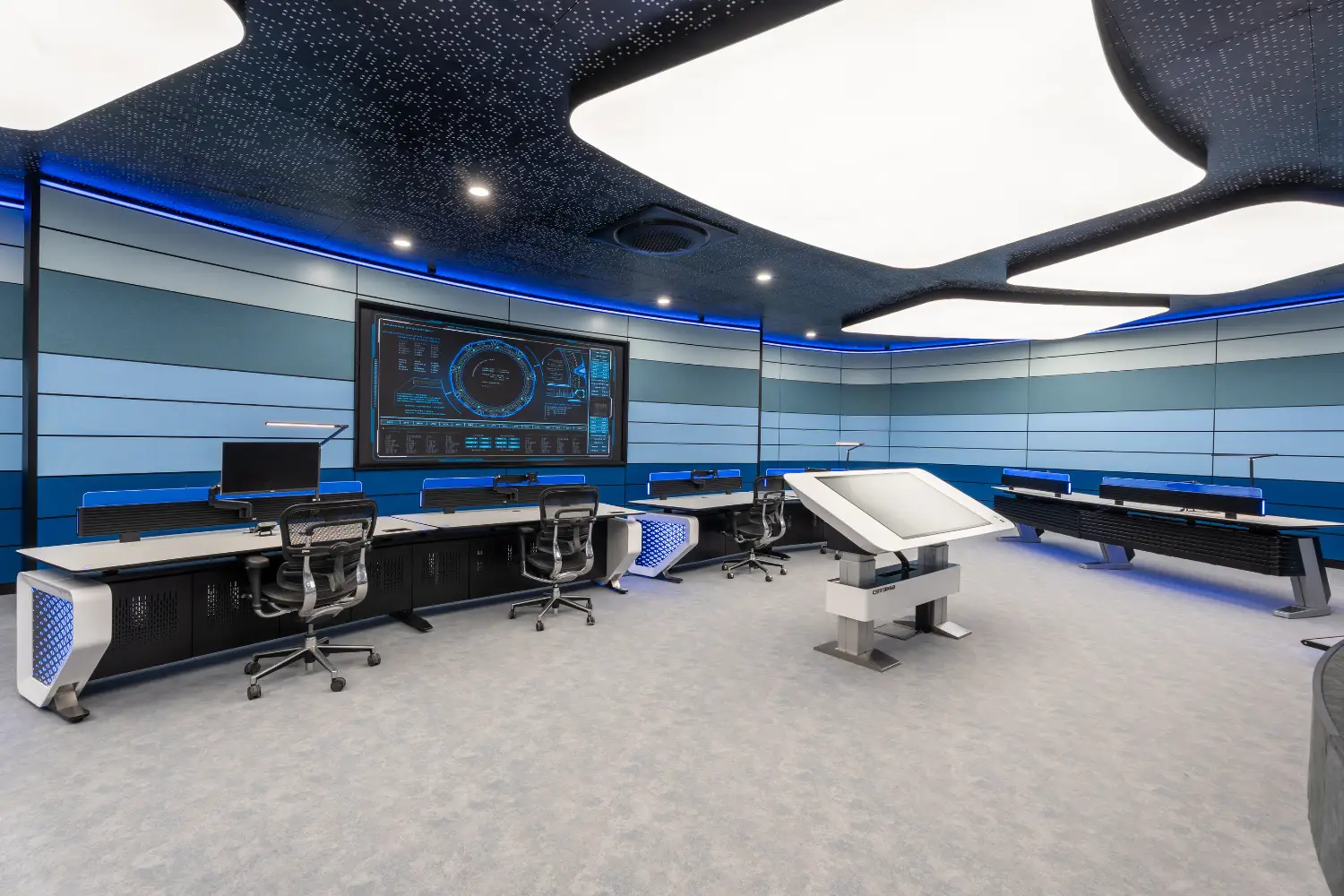
They allow personalised exploration while maintaining narrative structure and clarity.
Intuitive interfaces allow visitors to explore content at their own pace.
3D visualization brings products and innovations to life.
Breaks down sophisticated ideas into digestible components.
Lighting and sound are not technical afterthoughts—they are fundamental experience design elements that shape mood, guide attention, and enhance emotional impact throughout the visitor journey.
Strategic lighting guides focus to key elements at precisely the right moments.
Carefully orchestrated sound environments establish atmospheres for energizing or contemplation.
Integrated control ensures smooth progression between zones, maintaining narrative flow.
Behind every successful Experience Center is a robust Content Management System. It ensures the space remains current, relevant, and easy to manage.
Manage all zones from a single platform
No technical expertise required
Keep content aligned with organisational growth
Static content is the fastest way an Experience Center loses value.
A centralised system ensures your investment evolves alongside your organisation — not behind it.
An Experience Center is not a one-time project. It requires structured evolution to remain impactful.
Focused on maintaining core relevance.
Designed for growing organisations.
Built for long-term leadership positioning.
Delivery timelines begin from order confirmation and vary based on scope and approvals.
Align objectives, space, and expectations.
Transparent estimates with no ambiguity.
Experience Centers succeed when strategy leads design. A short discussion helps clarify scope, priorities, and possibilities for your space.